Primary Error Home

Category

War Stories

16 articles

One Missing Comma and Your Codebase Might Not Survive the Night

One Missing Comma and Your Codebase Might Not Survive the Night

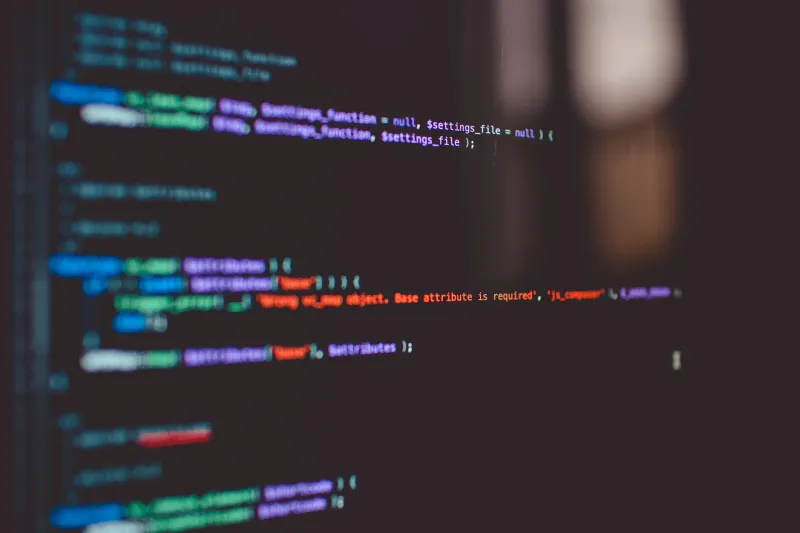
Configuration files sit quietly at the foundation of your entire build pipeline, and they will absolutely betray you without a single useful error message. The scariest bugs aren't the ones that scream — they're the ones that whisper while deleting your work. Here's what happens when a tiny syntax mistake in the wrong place becomes a silent wrecking ball.

Your App Is Bleeding Memory and You Won't Find the Body Until 2 AM

Your App Is Bleeding Memory and You Won't Find the Body Until 2 AM

Memory leaks are the slow-motion disasters of software engineering — your process looks fine at noon, sluggish by dinnertime, and completely unresponsive when your on-call alert fires at 2 AM. Garbage collection isn't the safety net most developers think it is, and the real culprits are usually hiding somewhere embarrassingly obvious in hindsight.

Dead Code Walking: The Error Handlers You Wrote But Never Actually Tested

Dead Code Walking: The Error Handlers You Wrote But Never Actually Tested

You wrote the catch block. You felt responsible. You moved on. But when production finally hit that edge case at 2 AM on a Tuesday, your carefully crafted error recovery code did absolutely nothing useful — because you never once ran it. Here's why that happens, and how to stop pretending your error handling works.

Fire and Forget: The Promise Rejection Bug That's Already Burning Down Your App

Fire and Forget: The Promise Rejection Bug That's Already Burning Down Your App

Async JavaScript gives you a lot of rope, and unhandled promise rejections are one of the most reliable ways to hang yourself with it. They slip past your error tracking, they ghost your monitoring dashboards, and sometimes they take down your entire Node process without leaving so much as a stack trace. Here's what that actually looks like in production.

Your Variables Are Lying to You and Your Language Is Helping Them Do It

Your Variables Are Lying to You and Your Language Is Helping Them Do It

Implicit type coercion is one of those features that sounds convenient right up until it quietly destroys a payment calculation at 2 AM. This is a tour through the real production disasters that happen when your language decides it knows better than you do about what a value should be.

Nothing Changed and Everything Broke: The Dependency Update Trap

Nothing Changed and Everything Broke: The Dependency Update Trap

You didn't touch a single line of your own code. The tests passed on Friday. By Monday morning, production was on fire — and the culprit was a version number you never even typed. Welcome to the quiet catastrophe of third-party dependency updates.

When 0.1 + 0.2 Doesn't Equal 0.3: The Floating-Point Bug That's Already in Your Code

When 0.1 + 0.2 Doesn't Equal 0.3: The Floating-Point Bug That's Already in Your Code

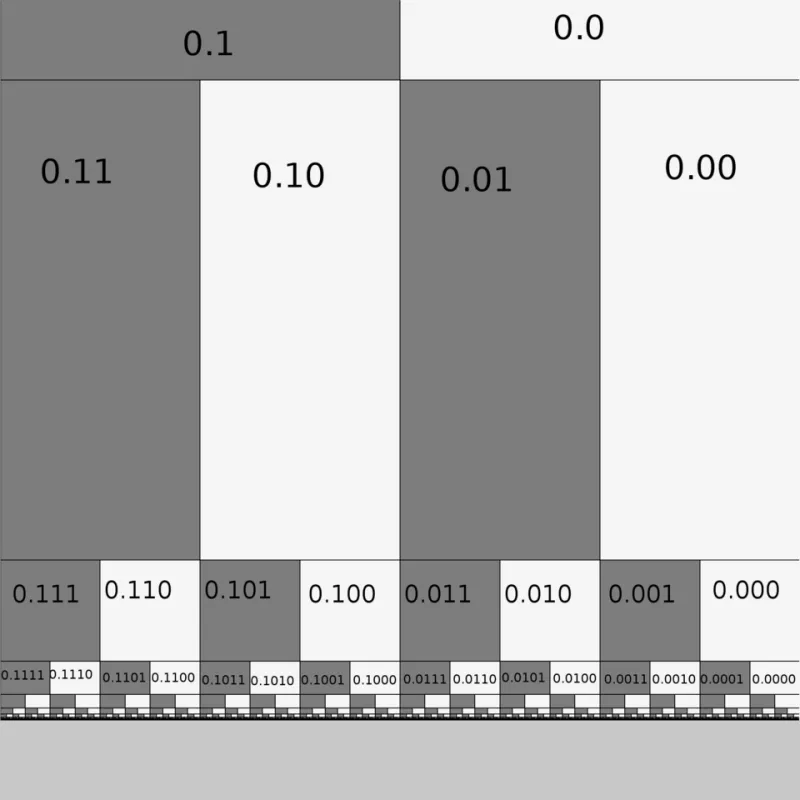
Floating-point arithmetic errors aren't a fringe edge case — they're baked into the hardware your code runs on right now. From spacecraft trajectory miscalculations to banking systems quietly rounding away real money, these invisible precision bugs have a long and expensive history. Here's what's actually happening under the hood, and how to stop it from wrecking your next release.

Drowning in Data: When Your Logs Know Everything Except What You Need

Drowning in Data: When Your Logs Know Everything Except What You Need

Logging feels like insurance — the more you have, the safer you are. But there's a breaking point where your observability stack becomes a haystack factory, and the needle you're hunting is buried under ten million lines of 'user clicked button.' Here's how teams get burned by both extremes.

Null Was a Mistake, and Your Production Logs Agree

Null pointer exceptions have been crashing software — and careers — for decades. Developers who've survived the worst of them share how the pain eventually forced better design, smarter patterns, and sometimes a completely different language.

When One Wrong Character Costs More Than Your Entire Engineering Budget

When One Wrong Character Costs More Than Your Entire Engineering Budget

Some bugs are annoying. Some bugs are expensive. And then there are the bugs that wipe out hundreds of millions of dollars before anyone even notices something is wrong. We dug into history's most catastrophic coding disasters to figure out exactly what went sideways—and what every developer can learn from the wreckage.